
How to Search Douglas County Court Records
The main tool for a Douglas County court records search is the Colorado Judicial Branch docket search. It is free. It is public. It covers every state trial court in Colorado, including Douglas County District Court and Douglas County Court at the Justice Center. The portal lists hearings by date, case number, party name, court, and division. It does not show full case files. For pleadings, orders, and certified copies, the request goes to the court clerk.
Before starting, gather what is known. A case number is best. A full party name, hearing date, or citation number also works. Spelling matters. Names with hyphens, maiden names, and business names should all be tested. If a case does not appear, the file may be sealed, too new to index, too old, or filed in a city municipal court rather than the state court.
The walkthrough below moves from the landing page to a working docket result. Each step takes under a minute on a normal connection.
- Open the Douglas County Combined Courts page. Click the link to the statewide dockets tool.
- On the docket page, pick Douglas from the county dropdown. The list covers every Colorado county.
- Choose a date or a date range. A single court day gives the cleanest list. A range works when the hearing date is unclear.
- Add a court type if known. District Court covers felonies, divorce, juvenile, and probate. County Court covers misdemeanors, traffic, small claims, and county civil.
- Type a party name or paste a case number. Leave other fields blank to keep the search broad.
- Click search. Scan the results for the case number, caption, courtroom, hearing time, hearing type, and judicial officer.
- For a full file or certified copy, file form JDF 4 with the Combined Courts clerk at 4000 Justice Way.
For older or archived cases, the clerk may need extra time to pull a paper file. Call ahead. Verify staffing and counter hours before driving to Castle Rock.
Douglas County Court Records Search Fields
The docket search exposes a small set of fields. Each one narrows the result list. The dropdowns are tied to the statewide system, so the same fields appear for every Colorado county. The table below maps each field, its input type, whether it is required, and the format notes drawn from the live portal.
| Field Label | Type | Required | Notes / Format |
|---|---|---|---|
| County | Dropdown | Yes | Pick Douglas County. Every Colorado county is in the list. |
| Date / Date Range | Date | Yes | Use a single court date or a preset range if the portal shows one. |
| Court | Dropdown | Optional | District Court, County Court, or combined options where exposed. |
| Division / Courtroom | Dropdown | Optional | Narrows by courtroom or judicial division when listed. |
| Party Name | Text | Optional | First or last name, or a caption fragment. |
| Case Number | Text | Optional | Use the exact Colorado case number when known. |
| Attorney / Bar Number | Text | Optional | Some docket views allow an attorney lookup. |
| Search / Reset | Button | n/a | Runs or clears the query. |
The portal returns a docket list, not a stack of PDFs. Document images live in the court file. A short call to the clerk is often quicker than guessing the right combination of fields.
Where Douglas County Court Records Sit
The Justice Center in Castle Rock is the physical home of every active Douglas County court file. The campus sits west of downtown, near the I-25 corridor. The map below is the public Google embed used on the Colorado Judicial Branch Douglas County page.

Mail, walk-in requests, and JDF 4 records orders all route to that street address. The clerk window is the only counter that can release certified court copies for Douglas County cases.
Types of Douglas County Court Records
Court records fall into broad case types. Each type maps to a court and a set of rules on access. District Court handles the larger and more sensitive cases. County Court handles the higher-volume daily docket. A short read of the case-type list saves time before opening the portal.
Knowing the case type also helps with the case number. Colorado case numbers usually carry the year, a class code such as CR, CV, DR, JV, PR, M, T, or S, then a sequence. The class code points right back at the court and the case type.
- Civil cases. Complaints, answers, motions, orders, judgments, writs, and satisfaction filings. District Court takes the bigger civil matters.
- Criminal cases. Felonies sit in District Court. Misdemeanors and many traffic crimes sit in County Court. Records cover charges, plea, sentence, and probation.
- Family and domestic relations. Divorce, parenting time, child support, and post-decree motions. Decrees are public; financial affidavits and child reports are often shielded.
- Probate. Estates, wills, guardianships, and conservatorships. Some files are public. Medical and minor information may be sealed.
- Traffic. Citations, plea forms, deferred-sentence paperwork, and payment records. City tickets may be in a municipal court instead.
- Juvenile. Delinquency, dependency, and truancy. Access is tight under Title 19.
- Protection orders and small claims. Public for the most part, with safety-related redactions.
Adoption and mental health files sit in their own restricted bucket. The clerk can confirm a case exists but cannot release the file without a court order. The next section walks through what shows on a typical public record.
What Douglas County Court Records Show
A public case record holds the bones of the dispute. Names, dates, courtroom, charges, claims, and the final ruling all appear in plain language. The table below lists the fields most often shown on a Douglas County court record, with a short note on what each one means.
| Field | What It Shows |
|---|---|
| Case Number | Year, class code, and sequence assigned by the Combined Courts clerk. |
| Court Location | Douglas County District Court or Douglas County Court at 4000 Justice Way, Castle Rock. |
| Case Caption | Parties: plaintiff and defendant, petitioner and respondent, People and defendant, or estate name. |
| Filing Date | Date the first pleading was filed with the clerk. |
| Case Type | Criminal, civil, domestic, probate, juvenile, traffic, small claims, or protection order. |
| Status | Open, closed, dismissed, stayed, sealed, suppressed, or transferred. |
| Parties | Named parties, with some personal data removed. |
| Attorneys | Counsel of record, firm, and party represented. |
| Judicial Officer | Judge or magistrate assigned to the case. |
| Docket Entries | Filings, notices, orders, motions, hearings, judgments, and continuances. |
| Hearings | Date, time, courtroom, event type, and judicial officer. |
| Financial | Fines, fees, costs, restitution, bond, and civil judgment amounts. |
| Documents | Public pleadings, orders, decrees, and writs where available. |
| Disposition | Final outcome: guilty plea, jury verdict, dismissal, default, or decree. |
| Redactions | Social Security numbers, account numbers, dates of birth, minor names, and victim data. |
Some terms can trip up a first-time reader. The short glossary box below covers the words most often seen on a Douglas County court file.
- Plaintiff
- The party that files a civil case.
- Defendant
- The party sued in a civil case or charged in a criminal case.
- Disposition
- The outcome of a case or a single charge.
- Bench warrant
- An arrest warrant issued by a judge, often for missing a court date.
- Mittimus
- The order that sends a sentenced person into custody.
- Sealing
- A court ruling that limits public access to a case file.
Public Access Laws for Douglas County Court Records
Three frameworks shape who can see what in Douglas County. Court case files are governed by Chief Justice Directive 05-01. County administrative records fall under the Colorado Open Records Act. Sheriff and other law enforcement files fall under the Colorado Criminal Justice Records Act. One arrest can produce three separate request paths: the court file from the clerk, the arrest report from the Sheriff, and a county email or contract from the county records custodian.
The Colorado Revised Statutes publish the exact text. The Open Records Act sits at C.R.S. § 24-72-201 et seq. CORA grants broad access to public records held by state and local agencies, with listed carve-outs. The Criminal Justice Records Act sits at C.R.S. § 24-72-301 et seq. CCJRA gives the Sheriff more room to weigh privacy and investigation needs before release. CJD 05-01, the court access rule, is the core document for any court file question.
Fees are limited and statutory. Copy and staff-time charges are allowed where the law permits. Denials can be challenged through the procedures in the same titles. The plain-English test is to ask who holds the record first. Court file? Start with the clerk. Arrest paper? Start with the Sheriff. Budget or contract? Start with the county.
Note: Court fees, sealing fees, and certified copy fees are listed on the Colorado judicial filing fees page.
Sealed and Confidential Douglas County Court Records
Several case categories sit outside public view by default. The list is set by statute, court rule, and Chief Justice Directive 05-01. The clerk follows the rule, not the request. Asking nicely does not unlock a sealed file.
- Juvenile cases under Title 19: delinquency, dependency and neglect, and truancy.
- Adoption files under Title 14. Access takes a statute or a court order.
- Sealed criminal cases under Title 16. Sealing is not automatic.
- Mental health, involuntary commitment, and competency files.
- Protection order safety details, victim addresses, and child information.
- Grand jury proceedings and exhibits.
- Financial identifiers like Social Security numbers and bank account numbers.
Sealing in Colorado is a process, not a switch. A person files a petition in the court that handled the case, pays a fee unless waived, serves the district attorney and any other listed agency, and waits for objection or hearing. The court weighs the offense, the disposition, the waiting period, restitution, victim and prosecutor input, and any later criminal history. A granted order tells the clerk and listed agencies to restrict public access. Sealed records can still be visible to law enforcement, prosecutors, and certain licensing bodies under the statute. Court sealing is also not the same as scrubbing a mugshot from a private website. The order moves the official copy out of public view; private copies are a separate fight.
In-Person Douglas County Court Record Requests
Some requests have to be made at the counter. Certified copies for out-of-state filings, immigration, name changes, or probate often need a wet stamp. The Combined Courts clerk at the Justice Center handles those orders. Bring photo ID. Bring the case number. Bring payment in a form the clerk accepts. Plan for security screening at the door.
Douglas County Combined Courts
4000 Justice Way
Castle Rock, CO 80109
720-437-6200
District Court and County Court clerk window
If a record is not on the docket portal, file form JDF 4 with the clerk. The form asks for the court, case number, parties, copy type, and delivery method. Certified copies cost more than plain copies. Older or archived files may take longer to retrieve. Sheriff arrest reports, jail records, and incident reports come from the Douglas County Sheriff records page, not the court clerk. County contracts, budgets, and emails come from the Douglas County open records page.
Free Research Tools for Douglas County Court Records
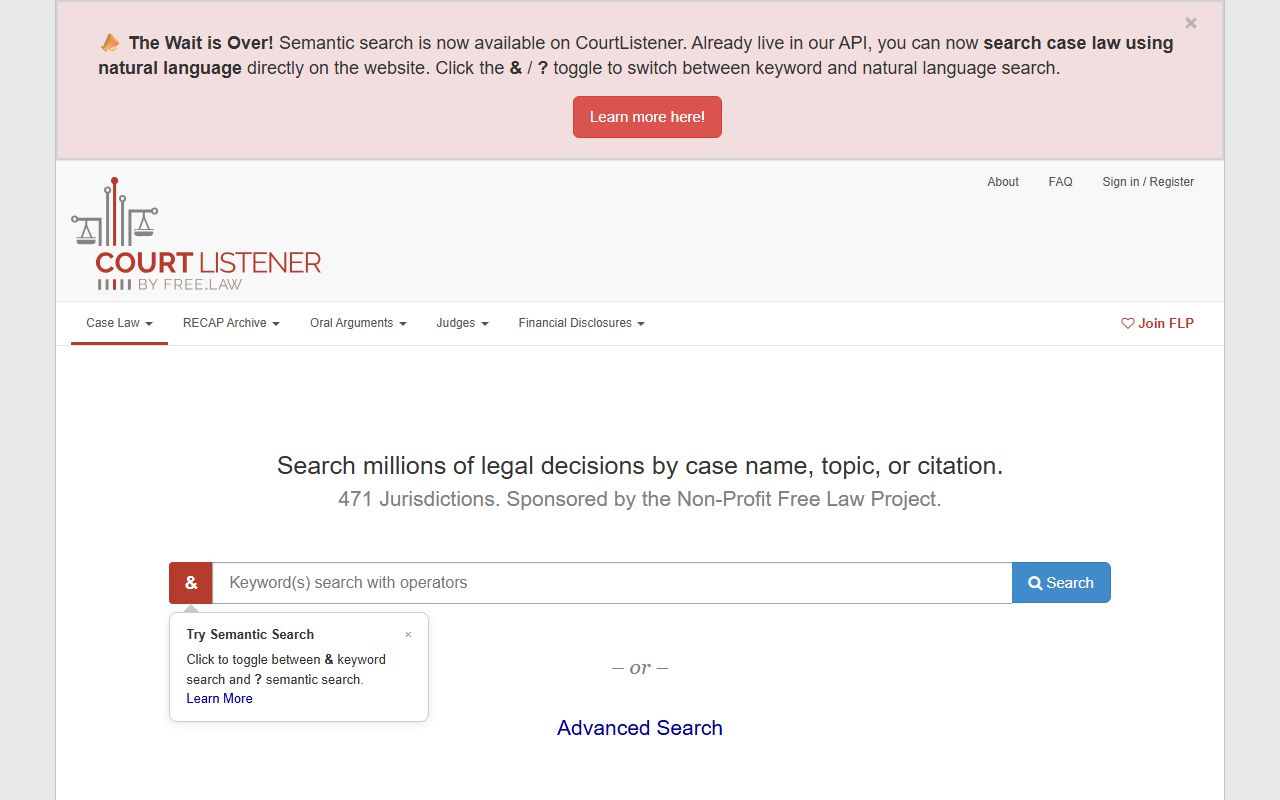
Outside the official docket portal, a few public legal databases help with case research. They do not replace the clerk for certified copies. They do help with appellate opinions, judge research, and case history. The CourtListener database from the Free Law Project indexes federal and state opinions and dockets at no cost.
Federal cases that touch Douglas County move through the U.S. District Court for the District of Colorado. PACER fees still apply for federal docket items. State trial dockets remain free through the Colorado Judicial Branch.
Common Questions on Douglas County Court Records
A few short questions come up almost every day at the clerk window. The Q&A box below answers the most common ones in plain terms.
Are Douglas County court records free to search? Yes. The Colorado Judicial Branch docket portal is free and public. Copy and certification fees apply when the clerk pulls a document.
Can a sealed case be searched online? No. A sealed file is removed from the public docket index. The case may still appear to law enforcement and certain licensing agencies under the statute.
Why does the case I want not show up? The file may be too new, too old, sealed, in a municipal court, or in another county. Try the case number, a different name spelling, or call the clerk at 720-437-6200.